Capsian Civilization
Capsian Civilization
The Capsian civilization's sites are known as the Grays, which are little hills ranging in height between 1 and 2 meters, with a maximum length of 150 meters and a width of 80 meters. They are accumulations of ash, stone tools, animal bones, and snail shells that reflect the remnants of ancient human assemblages. Despite the fact that this civilization was identified for the first time in western Tunisia, it was believed to be prevalent throughout Algeria. The imprisoned civilization's most noteworthy sites in Algeria include Ain Ashna, Ain Dakara, the White Water, and the El Mouhad strand in Tebessa. The most prominent sites in Setif are Ain Boucherit and Al Majaz. The following are the most important sites in the southern regions:
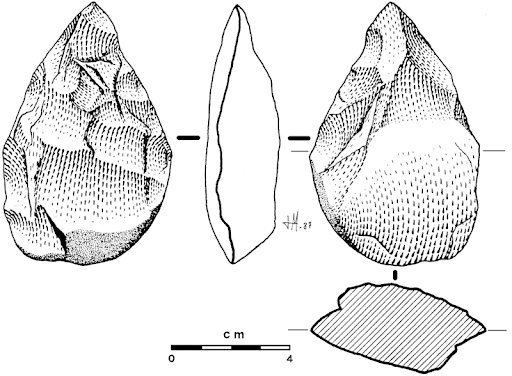
Ain El Naka, Zakar, Dakhlet Saadan, Marmota, Al Houita - and in the Tiaret region, we find Ain Keda, Klumanata. Capsian tools from the Tebessa region were dated to the end of the sixth millennium BC and were recognized by their geometric forms and the stone material that was usually employed in their production.
Most academics believe the Capsian human led a sedentary and stable life, but others believe he lived a seasonal, nomadic life. For a long time, experts thought that people of the Capsian civilization were the same as those of Mashta al-Arabi, until they realized it was connected to another form of Neolithic human being. It was also suggested by their skeletal remains discovered in the Ain Matrashim site, and based on the remains recovered at their settlement sites, that this human conducted many every-day activities such as polishing, sculpting, making arrowheads, pottery, agriculture, and livestock farming.

Capsian stone blades